Understanding Scoliosis in Children: Causes, Treatment, and Support
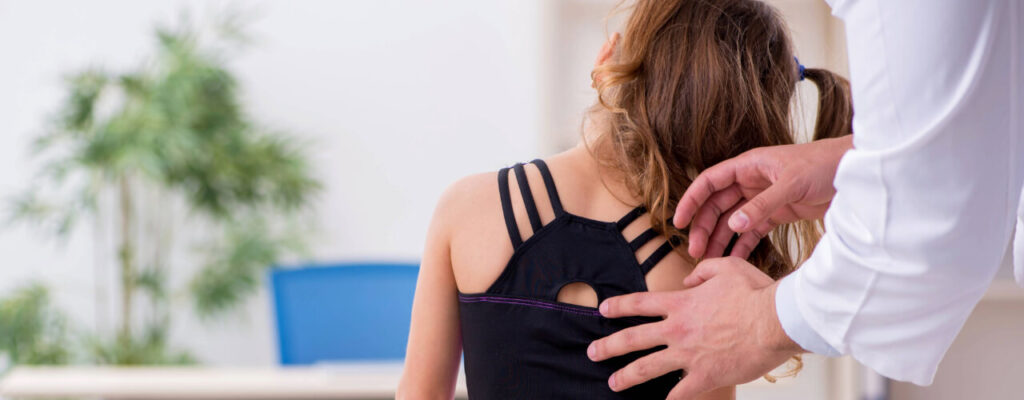
Scoliosis in children is a condition in which the spine develops an abnormal curve. Scoliosis can affect a child’s posture, mobility, and long-term health. Nearly 7 million people in the United States have some form of scoliosis. Thankfully, physical therapy provides effective treatment options to help children with scoliosis manage their condition and live active, fulfilling lives.
Ready to get started with physical therapy for scoliosis in children? Call our Bethesda, MD clinic today to learn more!
Scoliosis in Children & What Causes It
Scoliosis in children is when their spine curves sideways, often creating a noticeable C-shaped or S-shaped curve. While anyone can develop scoliosis, it typically appears in children and adolescents.
Signs of Scoliosis
- One shoulder appears higher than the other
- One hip appears more prominent
- Uneven waistline
- The body tilting to one side
Causes of Scoliosis in Children
The leading cause of scoliosis in children is often unknown and is termed idiopathic scoliosis. However, in some cases, scoliosis can be linked to several specific factors.
Neuromuscular Conditions
- Conditions such as cerebral palsy or muscular dystrophy can contribute to scoliosis. These disorders affect muscle control and strength, leading to an imbalance in muscle support around the spine, which can cause or exacerbate curvature.
Birth Defects Affecting Spinal Development
- Certain congenital conditions present from birth can lead to scoliosis. Specifically, congenital conditions involve abnormalities in the formation or alignment of the vertebrae, which can result in the development of spinal curvature as the child grows.
Injuries to the Spine
- Although less common, injuries to the spine can sometimes lead to scoliosis. Trauma or damage to the spinal column can disrupt normal spinal alignment and potentially cause or worsen scoliosis.
How Physical Therapy Can Help With Scoliosis in Children
Physical therapy is a beneficial treatment in managing scoliosis in children. Physical therapists specialize in movement and can help children with scoliosis in many ways while building strength, improving flexibility, and reducing pain.
What to Expect with Physical Therapy
Individualized Treatment Plan
- A physical therapist will assess your child’s needs and design a tailored plan.
Exercises
- The physical therapist will teach exercises for strengthening core muscles and improving posture, tailored to your child.
Stretching and Flexibility Techniques
- These strategies will maintain spinal flexibility and range of motion.
Manual Therapy
- Therapists may use gentle, hands-on techniques to improve spinal alignment and reduce pain.
Education and Guidance
- Supporting parents and educating them on how to help their child manage the condition is essential.
Our dedicated team has the knowledge and expertise to ensure your child gets the best possible results. We’re here to answer any questions you may have and work collaboratively with you to ensure your child achieves their health goals.
Finding Relief and Support for a Child with Scoliosis
If you suspect your child may have scoliosis, prompt action is vital. Early intervention can improve treatment outcomes and help your child thrive. Physical therapy is a safe and effective way to address the symptoms of scoliosis.
Call our team at Graham Therapy and Fitness in Bethesda, MD to learn more about how treatment can help.