
Mastering Movement: Enhancing Knee Rehabilitation with Physical Therapy
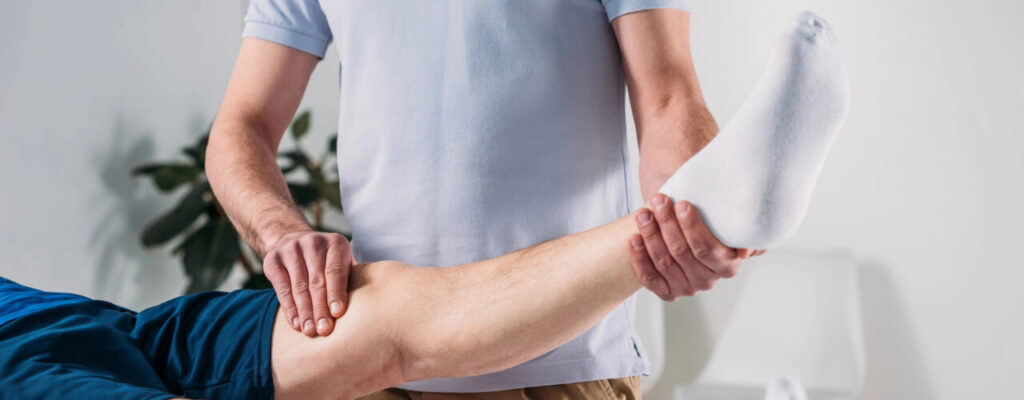
Meet John (not his real name), an avid basketball player whose game suddenly ended when he twisted his knee and felt a sharp pain. As he limped off the court, John worried about the extent of his injury and whether he’d ever regain his athletic performance. Knee injuries like John’s are all too common, affecting individuals of all ages and activity levels. But with comprehensive knee rehabilitation through physical therapy, John embarked on a journey toward recovery and reclaiming his passion for basketball.
Ready to get started with physical therapy for knee pain? Call our team at Graham Therapy and Fitness in Bethesda, MD today to learn more!
Unraveling the Mystery: Understanding Symptoms and Causes of Knee Injuries
Knee pain can manifest in various ways, often accompanied by mixed symptoms that can significantly impact daily life and activities.
Symptoms
Swelling
- One of the hallmark signs of knee injury is swelling around the joint. This swelling, known as knee effusion, occurs due to fluid accumulation within the joint space. Swelling may vary in severity, ranging from mild to significant, and can contribute to stiffness and discomfort.
Pain
- Knee pain can present as a dull ache, sharp stabbing sensation, or throbbing discomfort, depending on the nature and severity of the injury. Pain may be localized to a specific area of the knee or radiate throughout the joint, making it challenging to pinpoint the exact source of discomfort.
Stiffness
- Individuals with knee injuries often experience stiffness in the joint, particularly after periods of inactivity or prolonged sitting. Stiffness may impair mobility and range of motion, making bending or straightening the knee challenging.
Instability
- Knee instability refers to a sensation of the knee giving way or feeling loose during weight-bearing activities. This instability can result from ligamentous injuries, such as anterior cruciate ligament (ACL) tears, or structural abnormalities within the joint.
Decreased Range of Motion
- Restricted movement in the knee joint is a common symptom of knee injuries. Individuals may experience difficulty fully extending or flexing the knee, leading to functional limitations and impaired mobility.
Causes
Traumatic Injuries
- Trauma, such as sports-related injuries, falls, or motor vehicle accidents, can cause acute knee injuries, including ligament sprains, meniscus tears, or fractures. Traumatic injuries often result from sudden, forceful movements or direct impact on the knee joint.
Overuse or Repetitive Strain
- Chronic overuse or repetitive strain on the knee joint can lead to the development of overuse injuries, such as patellar tendinitis, iliotibial band syndrome (ITBS), or runner’s knee. These injuries occur gradually over time due to repetitive motions, inadequate rest, or biomechanical imbalances.
Degenerative Conditions
- Degenerative conditions, such as osteoarthritis or rheumatoid arthritis, can cause progressive damage to the structures within the knee joint, leading to chronic pain, inflammation, and functional impairment. These conditions may develop due to age-related changes, genetic predisposition, or underlying autoimmune disorders.
Biomechanical Factors
- Alterations in biomechanics, such as poor alignment, muscle imbalances, or gait abnormalities, can predispose individuals to knee injuries. Malalignment of the lower extremity, improper footwear, and inadequate training techniques can place excessive stress on the knee joint, increasing the risk of injury.
Genetic Factors
- Genetic factors can contribute to certain knee conditions, such as patellar dislocation or congenital abnormalities. A family history of knee problems can predispose an individual to develop similar problems due to genetic predisposition or inherited structural anomalies.
Triumph Through Tribulation: John’s Path to Knee Rehabilitation with Physical Therapy
John’s path to recovery was guided by the expertise of his physical therapist. Through a personalized treatment plan, John engaged in therapeutic exercises, manual therapy techniques, and modalities.
John’s Journey Back to Basketball with Physical Therapy
Customized Therapeutic Exercises
- John’s rehabilitation began with a tailored exercise program to strengthen the muscles surrounding his injured knee. With guidance from his physical therapist, John engaged in various exercises targeting the quadriceps, hamstrings, and calf muscles. These exercises improved John’s strength and stability and addressed muscle imbalances and weaknesses contributing to his injury.
Hands-On Manual Therapy
- John benefited from hands-on manual therapy techniques aimed at restoring mobility and alleviating pain in his injured knee. With gentle joint mobilizations and soft tissue manipulation, John experienced relief from stiffness and tension, allowing him to move more freely and comfortably.
Bracing and Supportive Techniques
- As John progressed through his rehabilitation program, he incorporated external support devices, including knee braces and taping techniques, to provide additional stability and protection to his injured knee. These supportive measures helped offload pressure from vulnerable structures, minimize excessive movement, and facilitate proper alignment during physical activity.
Functional Training and Education
- Throughout his rehabilitation journey, John engaged in functional training exercises designed to simulate real-life movements and activities relevant to his basketball pursuits. From balance drills to sport-specific simulations, these exercises honed John’s agility, coordination, and proprioception, preparing him to return to the court. John learned about injury prevention strategies, proper body mechanics, and self-management techniques.
Through the collaborative efforts of John and his physical therapist, knee rehabilitation became more than just a process—it became a journey of growth, resilience, and triumph. With dedication, perseverance, and physical therapy, John emerged stronger, more resilient, and ready to conquer the challenges ahead.
Take the Next Step Towards Knee Rehabilitation
If knee pain is holding you back from your favorite activities, don’t wait to seek help. Call our team at Graham Therapy and Fitness in Bethesda, MD to learn how knee rehabilitation with physical therapy can help you regain control over your life and achieve your wellness goals. Take the first step towards a pain-free future today!