Understanding the Causes of Scoliosis in Adults
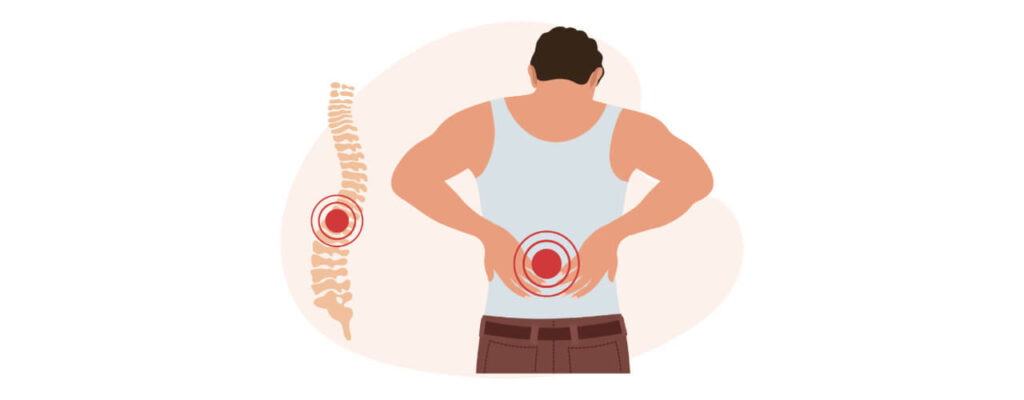
Scoliosis means your spine has an unusual sideways curve. It isn’t super common, but more adults than you may realize find out they have scoliosis. About 3% of the United States’s population has some degree of the condition. The causes of scoliosis in adults can vary and might include degenerative changes or previous spinal injuries. You might have pain, uneven shoulders, or have noticed that your clothes don’t hang straight. If you have any of these signs, physical therapy could be a great choice to get you feeling better.
Ready to get started with physical therapy for scoliosis? Call our Bethesda, MD clinic today to learn more!
What is Scoliosis & What Causes It?
Scoliosis is a spinal condition where the spine develops a side-to-side curve. Picture it like the letter “S” or “C” rather than a straight line. Often, this curve causes a twisting motion in the spine as well.
Signs of Scoliosis
- A back that seems uneven when you bend over
- Clothes not hanging evenly
- One shoulder or hip seems higher than the other
- Back pain and stiffness
Causes of Scoliosis in Adults
Degenerative Scoliosis
- The wear and tear of daily life puts stress on our spines and can lead to uneven bone growth.
Idiopathic Scoliosis
- Idiopathic scoliosis is developed in childhood but goes undiagnosed.
Neuromuscular Scoliosis
- This type happens because of problems with the nerves and muscles.
Other Causes
- Things such as previous spinal injury and conditions like osteoporosis can also be factors.
How Physical Therapy Can Help You with Scoliosis in Adults
If you’re dealing with scoliosis, don’t worry – physical therapy can be very effective. Physical therapists are movement experts and use science-backed methods to help you feel better.
What to Expect with Physical Therapy
A Personalized Plan
- We’ll work to understand your specific situation and create the best plan for you.
Exercise and Targeted Movement
- To strengthen muscles, improve your flexibility, and reduce stiffness. Exercise will include special techniques for scoliosis, including the Schroth method.
Hands-On Treatments
- Like soft tissue manipulation helps to loosen muscles and help reduce pain.
Strategies for Better Posture
- To help your spine stay healthy.
Why Choose Physical Therapy for Your Scoliosis Symptoms?
If you’re experiencing back pain or other symptoms of scoliosis, it’s important to find the help you need. Physical therapy is a safe and effective way to manage your condition, improve strength and movement, and reduce pain.
Call our team at Graham Therapy and Fitness in Bethesda, MD today to learn more about how physical therapy can help you with the causes of scoliosis in adults!