
Metatarsal Stress Fractures in Dancers: Treatment and Management
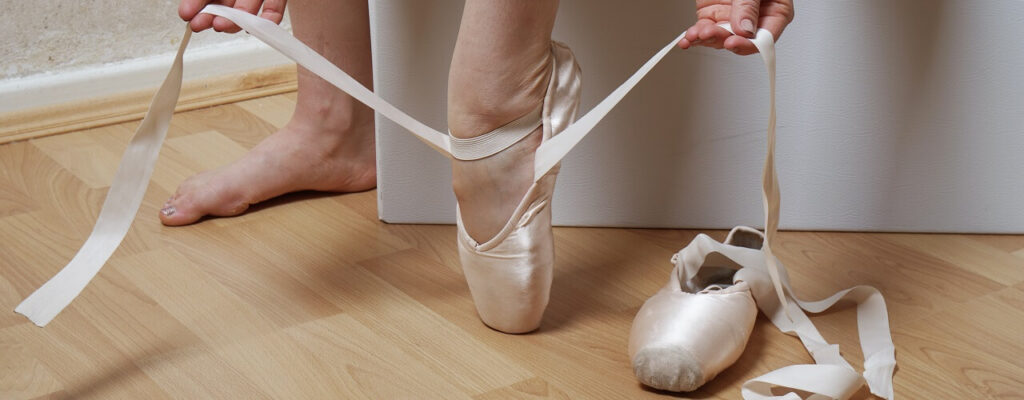
One tiny crack can keep you off the stage–but physical therapy can help address stress fractures in dancers!
Most aspiring ballet dancers can’t wait to go en pointe. The image of a dancer rising on her toes in apparent defiance of gravity is an icon of modern ballet, and the technique creates dazzling displays of grace and elegance on the stage. Unfortunately, going en pointe brings with it a risk of stress fractures in dancers.
A good dancer will make dancing en pointe look effortless, but anyone who has ever tied on a pair of pointe shoes knows that “floating” takes a lot of work–and puts a lot of stress on the ankles and feet. Dancing en pointe requires extensive conditioning and training for a reason, both to look good and to protect you from injuries.
Unfortunately, sometimes injuries still happen. Dancers are particularly susceptible to foot injuries–and not just ballet dancers, either. While ballet is perhaps harder on the feet than most, all dancers regularly perform high-impact movements, like jumping, that can cause problems.
One of the more common foot injuries among dancers is a metatarsal stress fracture. A stress fracture in dancers is a tiny break in the bone–in this case, one of your five metatarsal bones, which run across the top of your foot. In fact, a fracture of the fifth metatarsal bone is sometimes called a “dancer’s fracture” due to how common it is among dancers.
Fortunately, a metatarsal stress fracture doesn’t mean the end of your dancing career. Physical therapy at Graham Therapy & Fitness can help you rehabilitate after your injury. Through movement modification, a gradual increase in exercise, and other techniques, we’ll have you back on stage in no time.
Metatarsal Stress Fracture in Dancers: How To Tell If You’ve Experienced One
When we think of a broken bone, we usually think of a big, dramatic injury that’s impossible to ignore. Stress fractures, however, are a little more subtle.
In most cases, a stress fracture is a type of repetitive-use injury, meaning it occurs due to the compounding effect of similar impacting activities over time. Stress fractures are also tiny cracks in the bone, so you won’t be able to see them as you might with a more “standard” bone fracture.
How will you know you’ve suffered a stress fracture, then? The most common symptom is pain during physical activity, including walking, running, and dancing. Other symptoms include the following:
- Sharp pain in a specific point on your foot
- Dull pain after physical activity
- Swelling at the affected area (without any bruises)
- Finding your usual dance activities much more challenging
If you suspect you may have suffered a metatarsal stress fracture, visit us at our Bethesda physical therapy office. We’re familiar with the sort of injuries common to dancers, and our team will conduct a comprehensive exam to get to the root of your pain. We’ll evaluate your symptoms and health history and perform several gentle movement screens to ensure we have a complete picture of your injury.
How Physical Therapy Will Address Stress Fractures in Dancers
During the initial stages, rest is the best treatment for a metatarsal stress fracture. You’ll need to stop–or at least modify–any activities that put additional stress on your foot, which, unfortunately, includes dancing. Our therapists will help you develop the best plan of action to facilitate healing, including movement modifications, alternative workout ideas, and the use of braces or crutches.
As you start to recover from your injury, our team will work with you to get your body ready to return to dance. Healing from a stress fracture is only part of the process; you’ll also need rehabilitation to ensure you don’t reinjure yourself.
We’ll work with you to develop a customized treatment plan that addresses your goals and conditions. While each plan is different, most will involve a gentle progression of stretching and strengthening exercises. We’ll start slow and gradually increase intensity as you can tolerate. Here are some of the types of exercises we might include:
- Range of motion exercises to help restore full movement to the joints of your foot
- Strengthening exercises to address any muscle weakness that has developed during your period of inactivity
- Balance exercises to help you restore your normal balance–something crucial for any dancer!
- Dance-specific exercises to help you prepare for the specific demands that dancing places on the legs, ankles, and feet
We’ll also provide you with all the information you need to prepare you to fully return to your regular dance routine. This information may include short-term orthotic use, a return-to-dance schedule, and specialized at-home exercises. Plus, we can give you prevention tips to help avoid another fracture in the future!
Find Your Spotlight Again with Physical Therapy
If you’ve suffered a metatarsal stress fracture, our team of musculoskeletal experts will help you recover safely and effectively. We know you’re eager to return to the studio, and we’ll help you get there without risking further injury.
Request an appointment today to learn more about how Graham Therapy & Fitness can help treat common dancers’ injuries!