How Physical Therapy Can Help Manage Scoliosis: Techniques and Benefits
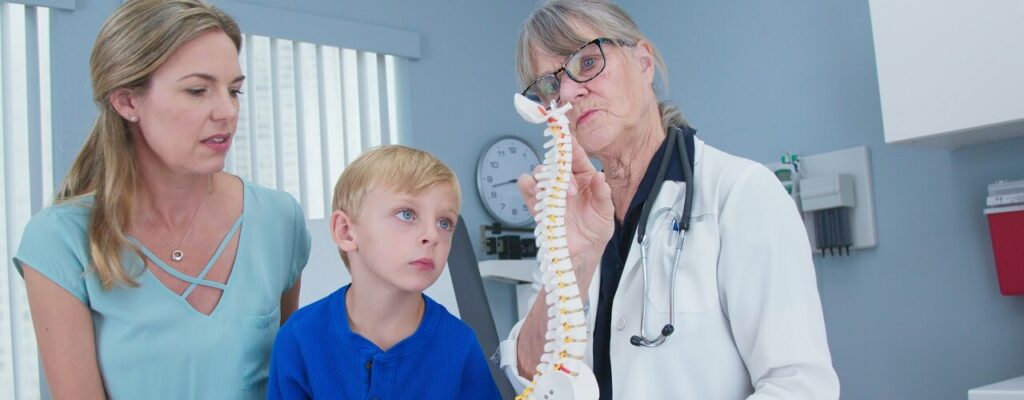
Physical therapy for scoliosis includes movement, education, and manual therapy
At elementary schools across the country, specialists regularly stop by to perform scoliosis screens on children, looking for signs of an abnormal curvature in the spine that might not be visible to a non-expert’s eye. But what happens when they do spot signs of scoliosis? Do you know what options you have for your child, including physical therapy for scoliosis?
Scoliosis is a relatively common condition that causes a sideways curve in the spine. Everyone’s spine has four natural curves, but someone with scoliosis will have an S- or C-shaped curve that, if left untreated, can create an uneven appearance in the person’s posture.
There are four main types of scoliosis, but by far, the most common is adolescent idiopathic scoliosis (AIS), which affects 1%-3% of the population. AIS first appears in older children and teenagers and primarily affects girls. While surgery is sometimes necessary to correct it, many patients find relief through bracing and physical therapy alone.
The team at Graham Therapy and Fitness has extensive experience working with scoliosis patients. Our physical therapists can provide targeted, customized exercises, functional training, and more to help slow the progression of scoliosis.
To learn more about physical therapy for scoliosis, request an appointment at our Bethesda, MD clinic today!
Scoliosis Basics: Symptoms and Causes
The good news is that scoliosis typically doesn’t cause pain, at least not in the early stages. In fact, it’s unlikely that you or your child will notice they even have it, as most cases are first caught during standard medical check-ups, either at the doctor’s office or at school.
However, if you notice the following postural issues, there’s a chance that scoliosis might be the cause:
- Uneven shoulders, hips, or waistline
- Legs that appear to be different lengths
- A bony bump on one side of the back
- A general sense of asymmetry in the body
While pain is rare with scoliosis, it is possible. Your child will experience it around the spine, including the shoulders, hips, and pelvis. It may also only occur during specific activities.
Causes for scoliosis can vary. For AIS, the most common type of scoliosis, researchers don’t fully understand the causes but suspect they may be related to genetic conditions, hormones, or changes in cell structure.
For other types of scoliosis, causes can include congenital factors (congenital scoliosis), genetic or muscular disease (neuromuscular scoliosis), or spinal injury. The team at Graham Therapy and Fitness can help you understand which type of scoliosis your child has.
How Physical Therapy Helps Address Scoliosis
Most specialists consider physical therapy, along with bracing, a frontline treatment for scoliosis. If treatment begins early enough, Graham Therapy and Fitness’s non-invasive approach can delay or stop the condition’s progression. Experts will generally only recommend surgery if the condition has progressed significantly.
No matter which treatment your child requires, our team of musculoskeletal experts will be there every step of the way. We can help your child adjust to using their brace, prepare them before surgery, and rehabilitate them afterward. We aim to help your child move and function as best they can!
We’ll always customize our scoliosis treatment programs for our patients, so each one will look a little different. However, here are some of the common approaches are team might take:
- Manual Therapy: These hands-on techniques can help restore mobility and reinforce proper movement patterns.
- Strengthening Exercises: We’ll help your child strengthen their spinal muscles and any other areas of the body that have been weakened by their condition, like the shoulders or hips.
- Mobility Exercises: If your child’s range of motion is affected by their condition, we’ll show them tailored exercises to improve movement.
- Bracing: Bracing is a significant aspect of scoliosis treatment. While scoliosis braces in the modern era are far more comfortable than their historical counterparts, your child may still struggle to adapt to wearing one. Our team can help by providing movement modifications and other strategies. We’ll also ensure your child is wearing the brace correctly.
- Education: Physical therapists are musculoskeletal experts who can help you and your child better understand how scoliosis affects the body and the body’s movement. We’ll provide strategies to address any mobility issues caused by the condition.
Our physical therapists will work closely with you, your child, and your child’s doctor to create a program that addresses your child’s needs and goals.
When you come in for an initial appointment, we’ll conduct a comprehensive physical exam to help us understand your child’s mobility impairments or limitations. We’ll also coordinate with a primary care doctor or orthopedic specialist to develop the best possible course of treatment.
Get Started with Physical Therapy for Scoliosis Today!
Learning your child has scoliosis can be a frightening experience. Fortunately, bracing and physical therapy are often enough to slow the condition’s progression, ensuring your child doesn’t have to go into surgery. And even if they do, our team will help them fully rehabilitate afterward.
To get your child started with physical therapy at Graham Therapy and Fitness, request an appointment today!