Recognizing the Common Symptoms of Scoliosis: A Comprehensive Guide
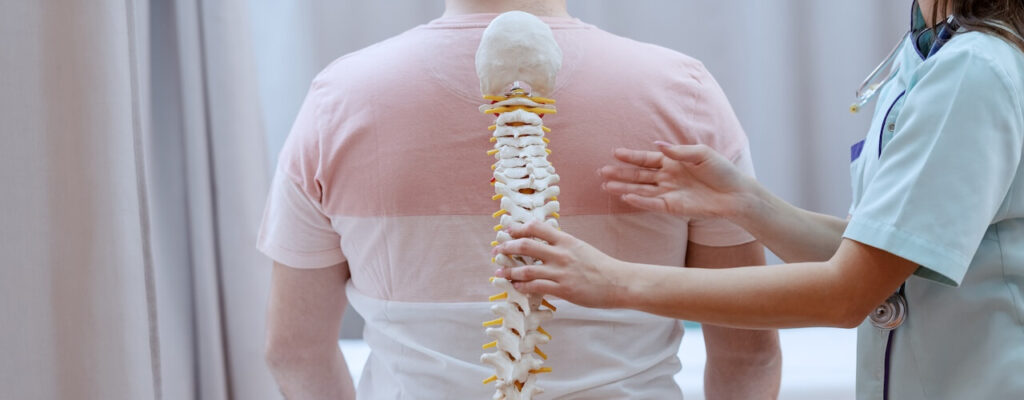
Scoliosis is a medical condition where the spine twists and curves to the side. It’s a surprisingly common condition; roughly 3% of adolescents are affected by scoliosis. Some of the most common symptoms of scoliosis include uneven shoulders or one hip appearing higher than the other. If you suspect scoliosis, our physical therapists specialize in this condition and can offer effective treatments for relief.
Ready to get started with physical therapy for scoliosis? Call our team at Graham Therapy and Fitness in Bethesda, MD today to learn more!
Understanding the Curvature of the Spine and Its Causes
Scoliosis is an abnormal side-to-side curvature of the spine, often resembling a “C” or “S” shape. It can lead to visible changes in posture and physical appearance. Although it can develop at any age, scoliosis usually appears during adolescence.
Signs of Scoliosis
Uneven Shoulders
- One shoulder may appear higher or more prominent than the other. This asymmetry can become noticeable as the child grows, particularly during growth spurts.
One Shoulder Blade Sticking Out More Than the Other
- This condition, known as scapular winging, occurs when one shoulder blade protrudes more than the other. It can be a visible indicator of scoliosis, especially when the child bends forward.
One Hip Higher Than the Other
- A noticeable difference in hip height can result from the spine curving sideways. This unevenness can affect the alignment of the pelvis and lead to an uneven appearance of the hips.
Changes in How Clothes Fit
- Clothes may begin to hang unevenly or fit differently on one side of the body compared to the other. A change in how your clothes fit can be an early sign of scoliosis, as the spinal curve causes shifts in the torso’s alignment.
Causes of Scoliosis
Congenital Conditions
- Scoliosis can be caused by spinal defects present at birth. These congenital conditions involve abnormalities in the vertebrae or surrounding structures that can cause the spine to curve abnormally as the child grows.
Neuromuscular Conditions
- Conditions like cerebral palsy or muscular dystrophy can sometimes lead to scoliosis. These disorders affect the nerves or muscles that support and control the spine, potentially resulting in an abnormal curvature due to muscle weakness or imbalances.
Injuries or Infections
- In rare cases, injuries or infections may contribute to the development of scoliosis. Damage to the spine or infections affecting spinal tissues can disrupt spinal growth or alignment, leading to curvature of the spine.
How Physical Therapy Can Help You Find Relief with Scoliosis
Physical therapy is a safe and effective approach to managing scoliosis. Your physical therapist will start with a thorough evaluation to determine the severity of your spinal curve and assess your specific needs. From there, a personalized treatment program can address the common symptoms of scoliosis.
Benefits of Physical Therapy for Symptoms of Scoliosis
Pain Management
- Physical therapists use techniques like manual therapy, targeted exercises, and modalities to reduce pain.
Improved Posture
- Guided exercises help strengthen the muscles supporting your spine, helping to improve posture and a more balanced appearance.
Increased Strength and Flexibility
- Specific exercises develop core strength and spinal flexibility.
Enhanced Function
- Physical therapists teach you how to modify daily tasks to reduce strain on your spine.
Long-Term Management
- Your therapist will educate you about ongoing strategies to manage symptoms and slow the curve’s progression.
Our experienced physical therapists have specific expertise in scoliosis treatment. We’ll listen to your concerns, understand your goals, and guide you through a treatment program that helps you live your best life.
The Power of Physical Therapy for Scoliosis
If you’re experiencing symptoms of scoliosis, don’t hesitate to seek help. Early intervention often makes a major difference in outcomes. Physical therapy can offer significant benefits and help prevent the condition from worsening.
Call our team at Graham Therapy and Fitness in Bethesda, MD to learn more about the common symptoms of scoliosis and explore if physical therapy is right for you.