
Shoulder Impingement: What It Feels Like and Why It Happens
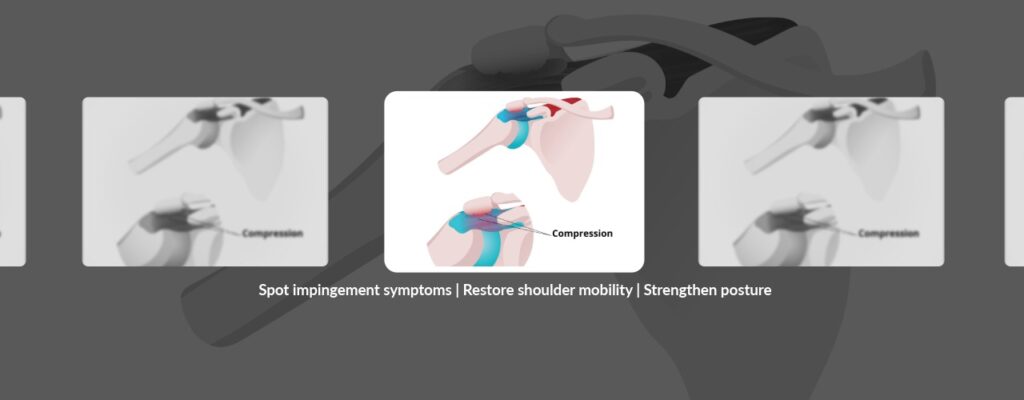
Shoulder pain that worsens when lifting your arm overhead is a common complaint among adults. In many cases, the culprit is shoulder impingement, a condition where soft tissues become irritated as they rub against surrounding structures. To show how this condition develops and how physical therapy helps, let’s look at one patient’s story alongside the before-and-after impact of treatment.
Before Treatment: Life With Shoulder Impingement
David (not his real name), a patient who worked at a desk job but enjoyed weekend tennis, noticed sharp pain when reaching for overhead serves. Over time, even simple tasks like reaching into cabinets or lifting a grocery bag became uncomfortable. Sleeping on his affected side made the ache worse. At its peak, the pain limited both his work and leisure, leaving him frustrated.
This experience is typical for patients with shoulder impingement. The condition often feels like:
- A sharp, pinching sensation when lifting the arm
- Aching pain that worsens at night or after activity
- Weakness in the arm when trying to lift or reach
- Reduced range of motion that makes everyday tasks harder
The pain tends to worsen gradually, especially with repetitive movements or poor posture.
Why Shoulder Impingement Happens
The shoulder joint is designed for wide motion, but that mobility leaves little room inside the joint. Tendons of the rotator cuff and the bursa (a fluid-filled sac that reduces friction) pass through a narrow space under a bony arch. When this space narrows further due to poor posture, muscle weakness, or repetitive overhead activity, tissues become irritated. The result is inflammation and painclassic signs of shoulder impingement.
After Treatment: How Physical Therapy Made the Difference
At Graham Therapy and Fitness, David’s treatment began with a full evaluation of his posture, movement, and strength. His personalized program included:
- Manual therapy to ease stiffness in the shoulder joint and surrounding muscles.
- Posture training to reduce rounding of the shoulders and open space in the joint.
- Strengthening exercises for the rotator cuff and upper back to stabilize the joint.
- Stretching routines to relieve tight chest and shoulder muscles.
- Education on modifying movements at work and during tennis to prevent further irritation.
Within weeks, David noticed he could lift his arm overhead with less pain. Over time, his strength and mobility improved to the point where he returned to playing tennis without the sharp discomfort that once stopped him.
The Results: From Limitation to Confidence
David’s before-and-after progress highlights the power of conservative care. Before therapy, he struggled with pain, weakness, and limited sleep. After therapy, he regained motion, improved his posture, and returned to the activities he valued most.
Patients with shoulder impingement often find that therapy restores not only physical comfort but also confidence in movement. By addressing the underlying mechanics, physical therapy provides long-term solutions rather than short-term relief.
Educational Takeaways
David’s story reflects what many patients experience:
- Pain from impingement is not just about the shoulder joint but also posture, muscle balance, and daily habits.
- Early treatment prevents worsening symptoms and reduces the risk of more serious injury.
- Strength and flexibility are just as important as rest for recovery.
- Personalized care is key; no two cases of shoulder impingement are exactly the same.
Moving Forward With Stronger Shoulders
Living with shoulder pain can make even basic tasks a challenge, but recovery is possible. With the right care, patients can move beyond discomfort and regain confidence in their daily activities.
Start Your Recovery Journey
If you are struggling with shoulder impingement, the team at Graham Therapy and Fitness is here to help. Our therapists create individualized treatment plans to reduce pain, improve mobility, and restore strength. Contact Graham Therapy and Fitness today to schedule your evaluation and begin your path toward lasting relief.